

Advancing Personalised Therapy for More Effective Cancer Treatment

Researchers from the International Laboratory of Microphysiological Systems at HSE University's Faculty of Biology and Biotechnology are developing methods to reduce tumour cell resistance to drugs and to create more effective, personalised cancer treatments. In this interview with the HSE News Service, Diana Maltseva, Head of the Laboratory, talks about their work.
— When was the laboratory established?
—In 2019, we submitted a proposal to create an international laboratory in response to a call for projects, and by January 2020, it was officially established. We managed to set up the laboratory despite the outbreak of the pandemic at that time.

— What are the laboratory's main areas of focus?
— We are studying the mechanisms underlying tumour progression. Two main factors can be identified. First, a tumour may fail to respond to chemotherapy or, under its influence, transform into a more aggressive phenotype, making it even more resistant to treatment. The second factor is that cells from the primary tumour can spread throughout the body, leading to metastasis. We are studying ways to increase tumour cell sensitivity to chemotherapy and to prevent their spread throughout the body.
Another area of our work focuses on developing strategies for personalised treatment. This involves taking a tumour biopsy from the patient before surgery, testing it in the laboratory for drug sensitivity, and determining which type of therapy is likely to be most effective against that particular tumour. When a postoperative patient’s tumour sample arrives at the laboratory, our research focuses on how to suppress any cancer cells that remain in the body after tumour removal. This requires the use of models that replicate tumour growth in the human body as accurately as possible.
The main challenge lies in the rapid changes that occur in cells once they are removed from the body. A tumour is a highly heterogeneous structure, and even within tumour cells, this heterogeneity must be preserved to accurately assess their response to different drugs.
To achieve this, we create 3D cultures of tumour organoids. It is essential to learn how to establish and maintain them so that they preserve their heterogeneity for as long as possible during cultivation.
— One of the laboratory’s key research areas is the study of the molecular mechanisms underlying tumour progression. Are you referring specifically to oncology, or do you also investigate other diseases caused by tumours?
— Our focus is specifically on oncology.
— Another topic that has attracted much attention is overcoming tumour resistance to chemotherapy and targeted therapy. Could you please explain the latter term?
— During chemotherapy, all cells in the body are exposed to the administered drugs. For example, when a patient receives 5-fluorouracil, the drug enters all cells and disrupts DNA and RNA synthesis throughout the body. Since tumour cells divide more rapidly, they are generally more vulnerable to its effects—but the tumour may develop resistance to the drug. Unlike conventional therapy, targeted therapy, as the name suggests, involves a specific molecule that the treatment is designed to target. This molecule should be present and highly expressed, particularly in tumour cells.
Targeted therapy can thus be one way to increase a tumour’s sensitivity to treatment, whether used alone or in combination with other drugs. This approach involves identifying specific tumour markers that distinguish cancer cells from normal tissue. In the case of colorectal cancer, for example, the tumour may produce high levels of the epidermal growth factor receptor (EGFR). Targeted therapy can be used to reduce the activity of this receptor and, in turn, inhibit tumour growth. However, to qualify for this therapy, the patient’s tumour must not carry certain specific mutations.
For different types of tumours, the target varies; in the case of breast cancer, it may be the HER2 receptor. The key is that tumour cells should be particularly susceptible to the therapy. Researchers are continually seeking markers that can serve as effective targets.
— How far have you progressed in this area?
— It depends on how one defines progress. It’s important to distinguish between research and clinical practice. Research requires clinical validation to confirm the effects observed in the laboratory.
In laboratory studies, we discovered that in the most aggressive form of breast cancer, cells with low expression of a gene involved in lipid metabolism are sensitive to ferroptosis—a form of cell death in which excessive accumulation of free iron and the resulting production of reactive oxygen species damage the cell’s proteins and lipids. We found that treating tumour cells with polyunsaturated fatty acids in combination with standard chemotherapy drugs can increase sensitivity to the treatment. We also demonstrated that activating ferroptosis may be a promising strategy for overcoming chemoresistance in bladder cancer.
— How do you plan to develop personalised cancer treatment approaches?
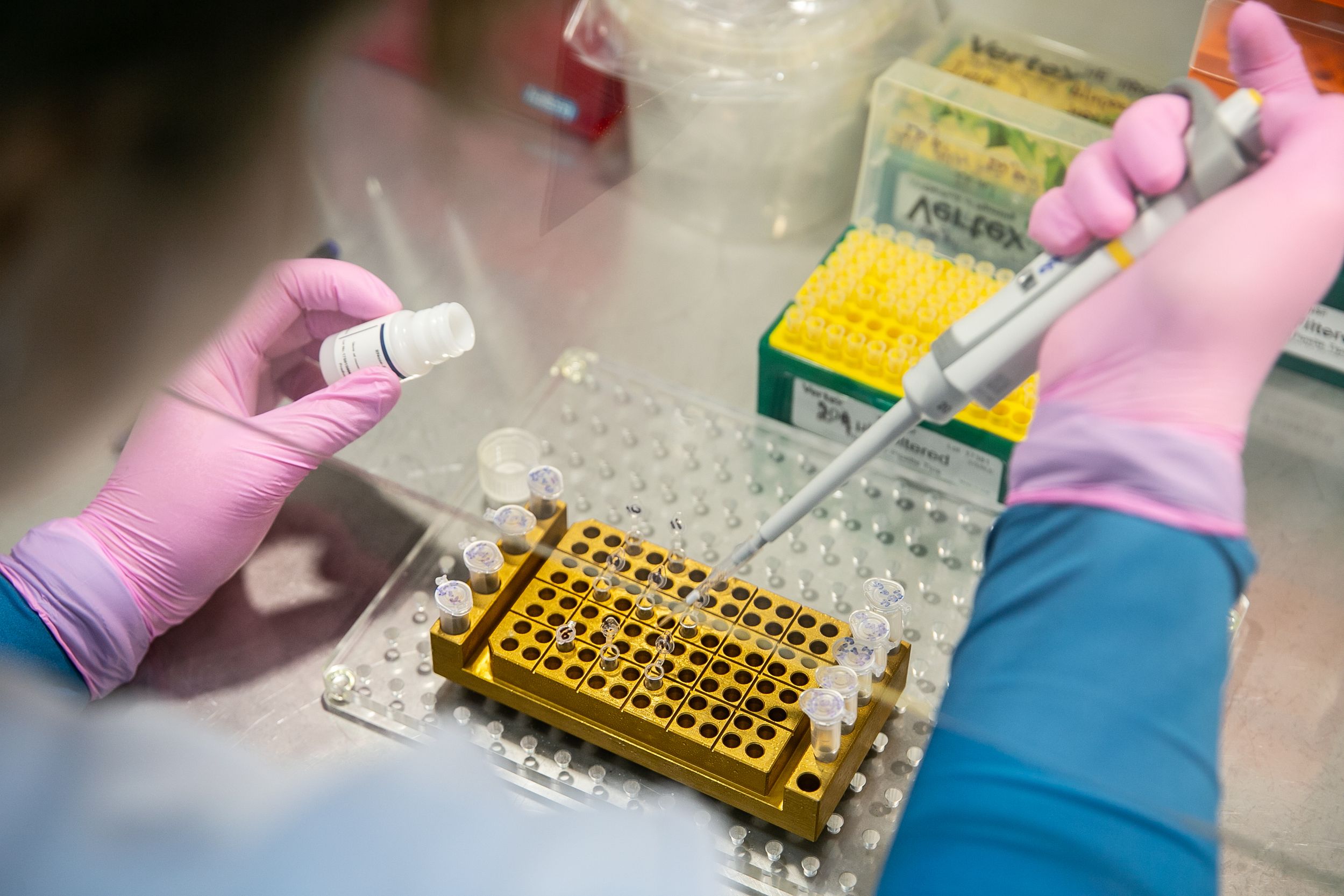
— By definition, personalised treatment means tailoring therapy to the individual patient. We need to obtain a sample of their tumour tissue, preserve it as unchanged as possible, and test how this tissue responds to the drugs available to their clinician. To preserve the patient’s tissue as effectively as possible, we create 3D tumour organoids and aim to replicate the conditions of the human body, since cells cultured in vials experience environments that differ significantly from those in vivo.
We are working on a major collaborative project involving three laboratories, developing microfluidic models, which use a chip designed to mimic the conditions of cell growth in the human body. In the literature, these devices are also referred to as 'organ-on-a-chip.' These chips fit in the palm of a hand and contain wells where cells from individual organs or tumours are grown. The chips also have channels that supply nutrients and simulate blood flow, bringing the models closer to the conditions found in the human body.
We are also working to identify gene expression profiles that can predict whether a particular tumour will be sensitive to specific drugs. Such testing systems could enable PCR results to inform doctors about the likely effectiveness of a given therapy. This approach has already been successfully applied in breast cancer treatment worldwide.
— Are there differences in the prevalence of cancers in different organs? Which types of cancer are your primary focus?
— The prevalence of cancer varies significantly across different organs. Lung cancer is the most common, followed by breast cancer and then colorectal cancer. Mortality rates also differ: for example, colorectal cancer ranks second in terms of cancer-related deaths, while liver cancer is the fifth most common but the third most deadly.
Speaking of gender differences, the most common cancer among women is breast cancer, while among men it is lung and prostate cancer—although prostate cancer is typically less aggressive.
In our laboratory, we study colorectal and breast cancer, as well as bladder and prostate cancer, and we have recently begun research on brain tumours.
— What achievements of the laboratory and your colleagues are you most proud of?
— First and foremost, I’m proud of my colleagues—both senior researchers and early-career scientists who join our laboratory. We are also delighted to collaborate with Alexander Tonevitsky, Dean of the Faculty of Biology and Biotechnology, who was elected a member of the Russian Academy of Sciences this spring.
As for our research results, we recently published an article on the CD44 receptor, which can exist in several variants. In our study, we demonstrated that suppressing the activity of one specific isoform can be highly effective in preventing the spread of colorectal cancer through the bloodstream.
Another outcome of our work is that we have contributed to a better understanding of the fundamental mechanisms of microRNA formation in cells
MicroRNAs are short molecules, about 22 nucleotides in length, that regulate the expression of target genes, with the set of targets determined precisely by the microRNA sequence. In cells, microRNAs are initially formed as precursors, which then undergo a series of processing steps. We investigated how the structure and sequence of these precursors influence their processing and, consequently, the final sequence of the mature microRNA.
We are also studying the mechanisms of splicing, the process by which introns—non-coding segments—are removed from a gene’s pre-mRNA. In alternative splicing, some exons—segments that encode protein sequences—can also be skipped. Alternative splicing allows multiple mRNA molecules to be produced from the same gene sequence, resulting in proteins with different sequences. Alternative splicing is also responsible for the generation of specific tumour neoantigens (tumour markers), which researchers worldwide are investigating as potential targets for developing targeted therapies.
Soon, a doctoral student at our laboratory plans to defend a thesis on the development of an algorithm for predicting pre-mRNA splicing in tumour cells. The algorithm was developed using machine learning and AI techniques.
— Which departments at HSE University and other domestic research institutions do you collaborate with most actively?
— At HSE University, we work closely with the Faculty of Computer Science, particularly with the International Laboratory of Statistical and Computational Genomics led by Prof. Shchur. We also maintain active collaborations with clinical centres, including the Herzen Oncology Research Institute and the National Medical Research Radiological Centre. Recently, we signed an agreement with the Dmitry Rogachev National Medical Research Centre of Pediatric Hematology, Oncology, and Immunology to study brain tumours in children.
— Many well-known European institutes and clinics are among your partners. How is your international cooperation progressing today?
— We previously engaged in intensive collaborative work with researchers from the University Medical Centre Hamburg-Eppendorf and the Technical University of Berlin. Unfortunately, these collaborations are currently on hold. However, we have begun partnerships with institutions in India and recently signed an agreement with Tsinghua University in Beijing. We plan to conduct joint research on microRNAs and explore their potential for predictive applications.
— How are the laboratory’s achievements integrated into the educational process?
— We offer research and practice seminars that engage students in addressing real research problems, and there is also a course in Molecular Oncology taught by Evgeniya Stepanova, who is actively involved in our laboratory’s work.
— How actively are students, including doctoral students, involved in the laboratory’s activities?
— Very actively. On a regular basis, five or more bachelor’s students join the laboratory and often continue into master’s and doctoral programmes. We have involved early-career researchers, students, and doctoral students in projects we are particularly proud of.

See also:

HSE University to Develop Predictive Analytics System for Icebreaker Motors
Industrial automation is one of the key applications of artificial intelligence. A predictive analytics system for large electric motors is among the solutions being developed for the industry as part of HSE University’s Strategic Technological Project ‘Multi-Agent Platform of AI Solutions for Industry-Specific Tasks.’ What is predictive analytics, how can it improve the operation of electric motors, and what specialists joined forces to develop this technology? Anton Zarubin, Dean of the School of Computer Science, Physics, and Technology at HSE University–St Petersburg and the project development coordinator, explains in this interview with the HSE News Service.
Scientific Expedition to Hainan: HSE Scientists Organise Conference on Statistical AI in China
The Statistical AI Conference was held in Sanya, Hainan Island, China, from 24 to 28 August 2026. The international event brought together leading experts in statistics, machine learning, and applied AI. Alexey Naumov, Director of the AI and Digital Science Institute at the HSE Faculty of Computer Science, and Sergey Samsonov, Head of the International Laboratory of Stochastic Algorithms and High-Dimensional Inference, were among the conference organisers.
5th Fall into ML Conference to Bring Together Leading AI Researchers
The AI and Digital Science Institute at the HSE Faculty of Computer Science invites researchers, developers and everyone shaping the future of technology to the fifth, anniversary edition of the Fall into Machine Learning conference (Fall into ML 2026). The event will take place on October 23–24, 2026, at the HSE Cultural Centre in Moscow and will become the key meeting point for Russia’s AI community.
HSE University Expands Cooperation with Malaysia in Technology Foresight
HSE University researchers will take part in a study of the future of engineering education in Malaysia, while the Malaysian Industry-Government Group for High Technology (MIGHT) will use the iFORA big-data analysis system to validate the findings of its foresight research. These are the outcomes of a visit by HSE representatives to Kuala Lumpur.
Scientists Train Neural Network to Generate Process Plans from 3D Models
Researchers at the HSE FCS AI and Digital Science Institute have developed CAD2TechSpec, a framework that converts 3D models of mechanical parts into machining process plans—step-by-step instructions for machine tools. The solution aims to reduce the time required for the design and preparation of technical process documentation in mechanical engineering, aircraft manufacturing, and other high-tech industries. The study findings have been published in PeerJ Computer Science.
Biologists Discover 'Molecular Fingerprint' of Preeclampsia
Researchers at HSE University employed a new method to model hypoxia in placental cells during pregnancies complicated by preeclampsia and identified molecular markers of tissue hypoxia. Since hypoxia is one of the key mechanisms underlying preeclampsia, these findings are important for a more accurate and timely diagnosis of the disease and for the development of effective treatment methods. The paper has been published in Placenta.
Laboratory of Future Networks: HSE Telecommunications Research Institute Develops 5G/6G Research Testbed
The 5G/6G testbed at the HSE Telecommunications Research Institute is becoming a research platform, an educational laboratory, and a foundation for developing new software components for future networks. It makes it possible not only to observe how a mobile network operates, but also to change its operating conditions and measure the results: data-transmission speed, latency, errors, radio-resource utilisation, and other parameters. Based on the testbed, researchers plan to develop MIMO, O-RAN, xApp, and IAB technologies, as well as experiment with artificial intelligence.
‘Hedgehog’ Versus ‘Relatives’: Researchers Measure How the Brain Responds to Unexpected Words During Natural Speech
Russian neurophysiologists, including researchers from HSE University, have demonstrated the feasibility of using event-related fields (ERFs) to study brain activity during natural speech perception. The researchers showed that this approach can be applied not only to individual words but also to continuous speech. Their findings indicate that words whose meanings differ significantly from the preceding context require longer processing times. The study also reveals that the brain processes function words in two stages: first, it identifies their grammatical role and then uses this information to predict the next word. The study has been published in Frontiers in Human Neuroscience.
Hybrid Intelligence: Competencies in the Age of AI Discussed at Technoprom-2026
Artificial intelligence is not creating new professions, but rather transforming the nature of existing ones. This was the conclusion reached by participants in the panel session ‘Hybrid Intelligence: Digital and Human Drivers of Development,’ organised by the Institute for Statistical Studies and Economics of Knowledge (ISSEK) at HSE University as part of the 13th International Forum of Technological Development (Technoprom-2026). The experts discussed how the nature of work is changing, which skills are becoming increasingly sought after, and what prevents companies from fully capitalising on new technologies.
Scientists Develop New Solution for 6G Communication Systems
A terahertz neuromorphic circuit developed by scientists at HSE University could make 6G communication systems both more accurate and energy-efficient. The circuit enables indoor tracking of mobile devices with an accuracy of up to 99%. The results were presented at PIERS 2026, an international symposium on Photonics and Electromagnetism held in China.